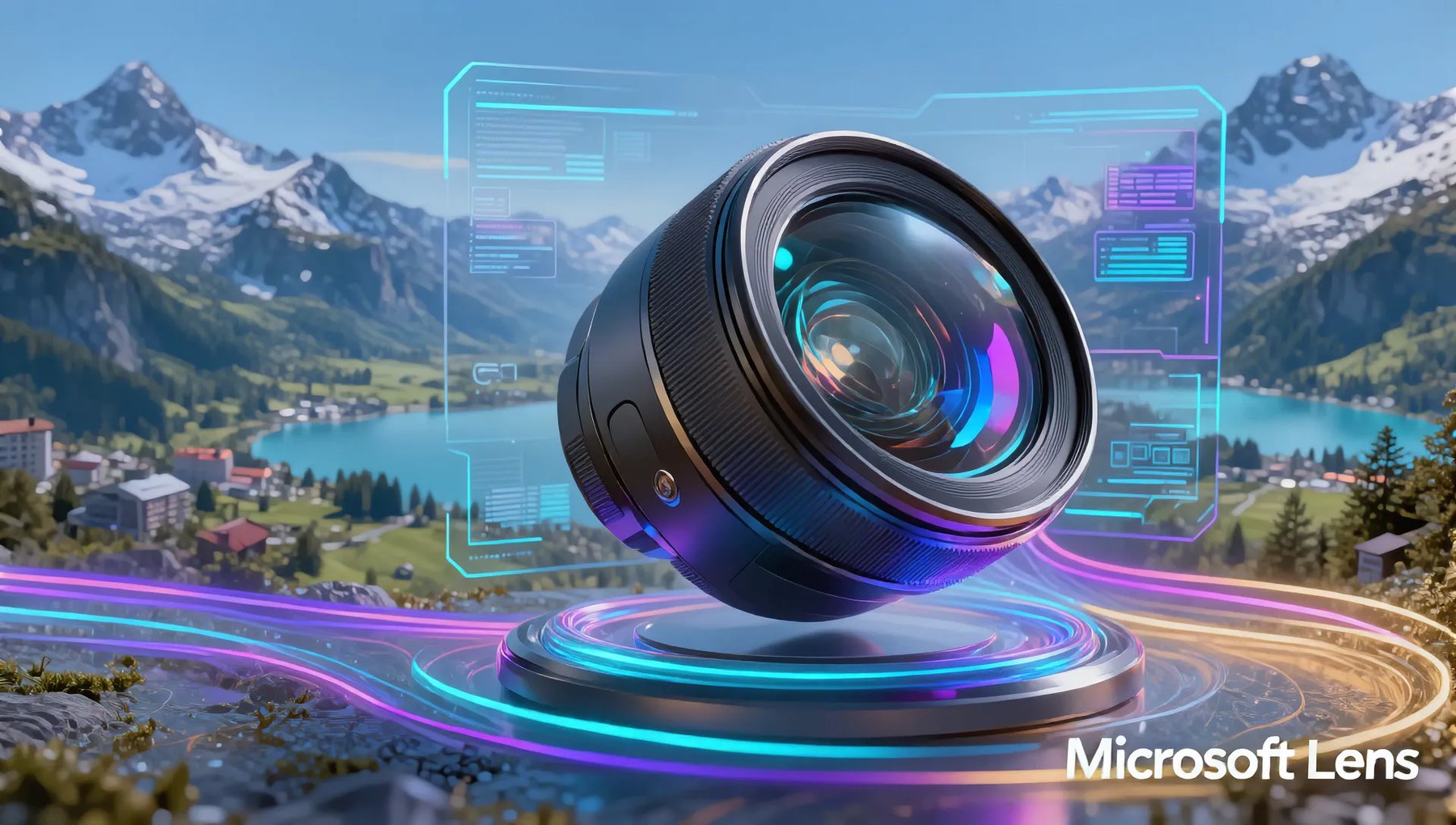
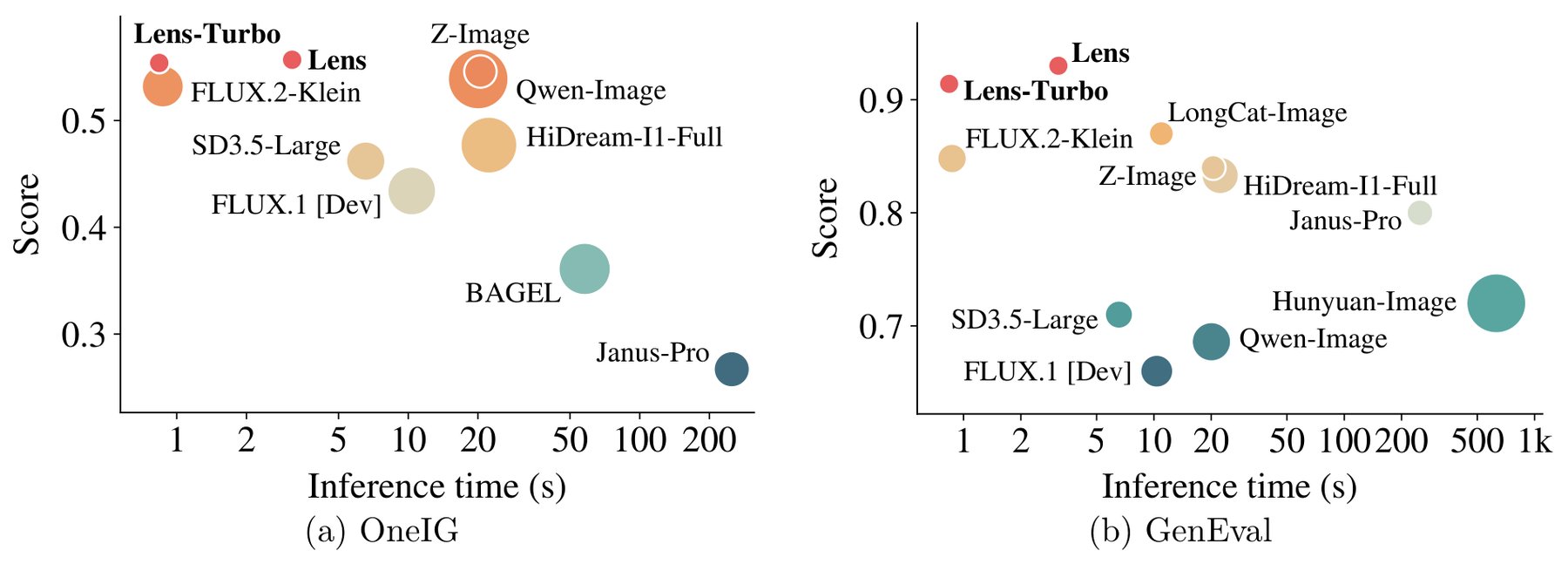
Everyone in image-gen has been chasing the same dragon: more parameters, more GPUs, more compute. Microsoft Research just walked the other way. Lens is a 3.8-billion-parameter text-to-image model that matches — and in places beats — FLUX and SD3, while burning roughly one-fifth the training compute. The trick isn’t a bigger brain. It’s better captions.
The Story
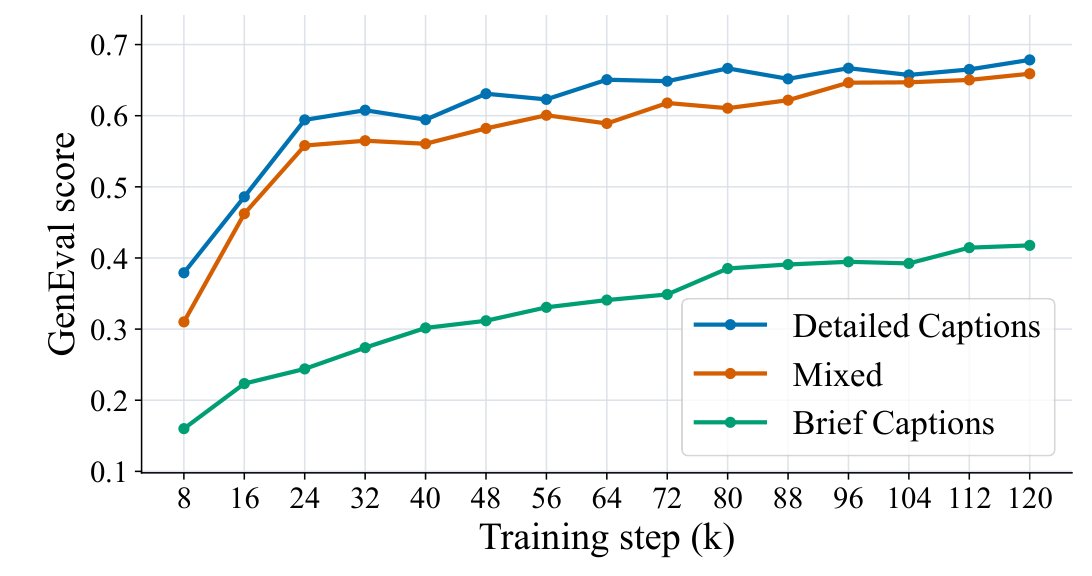
Open-sourced in June 2026 under a clean MIT license, Lens is built on a deceptively simple bet: the bottleneck in training a foundational image model isn’t scale, it’s the quality of the text it learns from. Most models are fed the web’s raw alt-text — vague, short, often wrong. Lens was instead trained on Lens-800M, an 800-million-image corpus where every caption averages ~100 words, generated by GPT-4.1. Dense, descriptive, structured. The team’s ablations show it plainly: detailed captions produce clearly better results than short or mixed ones, because vague metadata gives the model a weak learning signal.
The architecture is a 48-block MMDiT denoiser, but the interesting choices are around it. Instead of a CLIP or T5 text encoder, Lens pulls multi-layer features from GPT-OSS — OpenAI’s openly released language model — concatenating representations from layers 4, 12, 18, and 24. That gives it strong prompt adherence and, as a bonus, solid multilingual generalization. For the latent space it borrows the semantic VAE from FLUX.2. Training ran on just 128 A100 GPUs.
Three flavors ship: Lens-Base (the supervised baseline, 50 steps), Lens (RL-tuned, 20 steps), and Lens-Turbo (distilled down to 4 steps, generating an image in under a second). Mixed-resolution training means it handles aspect ratios from 1:2 to 2:1 and resolutions up to 1440×1440 natively.
Why You Should Care
If you’ve ever waited on a 12B model to crawl through a generation on a 16GB card, the headline here is access. A 3.8B model with CPU-offload support is something you can actually run locally — and Lens-Turbo’s sub-second inference makes it viable for iterative, in-the-loop creative work rather than batch-and-pray. Cheaper to train also means cheaper to fine-tune: studios and solo artists can realistically build their own LoRAs or domain variants on top of an MIT-licensed base without a data-center bill.
The deeper signal matters more. Lens is evidence that the image-gen race is shifting from “who has the most GPUs” to “who curates the smartest data.” That’s good news for the open ecosystem — it lowers the moat. And the GPT-OSS-as-text-encoder move is a quietly big idea: pairing a strong open LLM with a diffusion backbone is a pattern we’ll see copied.
Try It
- Weights & code: huggingface.co/microsoft/Lens and Lens-Turbo — MIT licensed.
- Repo: github.com/microsoft/Lens (Python 3.12, PyTorch 2.11+, CPU-offload for low VRAM).
- ComfyUI: Native support landed in v0.23.0 (June 1, 2026) — the tokenizer is embedded directly in the safetensors, so setup is painless. See the official Lens workflow example.
- Paper: Lens: Rethinking Training Efficiency for Foundational Text-to-Image Models.

IK3D Lab Take
We love a model that wins by being smarter, not bigger. Lens won’t dethrone Midjourney on pure artistry, and the MIT license is “for research” in spirit — read it before you ship commercially. But as a local, fast, fine-tunable, genuinely open base model, it’s one of the most practical drops of the year for makers who run their own pipeline. The real lesson is the one Microsoft keeps proving: in 2026, the cheat code is data quality, not GPU count. If you’re building a creative workflow, that’s the bet to copy. Boot it up in ComfyUI and feed it a 100-word prompt — it was trained to reward exactly that.